Hackathon Circuit
Category: Concepts / History Summary: Jack’s competitive hackathon record - Top 15 Berkeley AI, 1st CodeDay SF, 1st Digitalized, and more Last updated: 2026-04-06
Overview
Jack has competed in and placed at multiple hackathons across the US. The hackathon circuit is a specific subculture within the broader startup/tech ecosystem: weekend-long competitions where teams build something from scratch, present it, and compete for prizes and recognition.
Jack’s Record
| Event | Result | Notes |
|---|---|---|
| Berkeley AI Hackathon | Top 15 | June 2024; UC Berkeley campus |
| Digitalized | 1st Place | - |
| CodeDay SF | 1st Place | San Francisco |
| Penn Pitch Competition | Finalist | University of Pennsylvania |
| Northwestern Pitch Competition | Finalist | Northwestern University |
| TreeHacks | Competed | Stanford, Feb 16-18 2025 |
Berkeley AI Hackathon (Top 15)
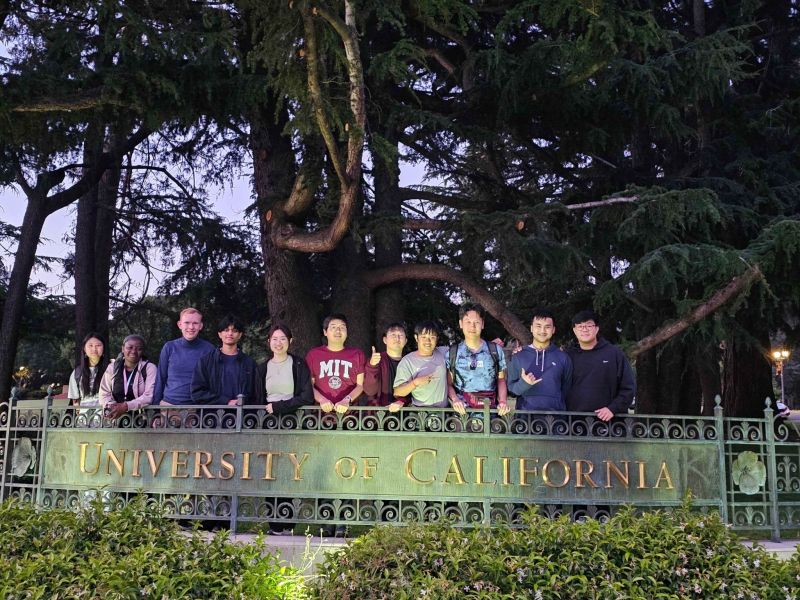
The Berkeley AI Hackathon is one of the more prestigious AI-specific hackathons in the country, held at UC Berkeley. Placing Top 15 in June 2024 is documented with a LinkedIn post and a photo. This was a competitive field - Berkeley’s proximity to every major AI lab means the talent density at its hackathons is unusually high.
The Treehacks 2025 page covers the Stanford hackathon in more detail.
What Hackathons Are For
The stated purpose of hackathons is to build something in 24–48 hours. The real purposes are more varied:
- Network compression: you meet more ambitious builders in one weekend than in months of normal social activity
- Portfolio building: a winning hackathon project is a credible signal when you have no other credentials yet
- Skill testing: you find out what you can actually build under pressure in a fixed time
- Recruiting exposure: sponsors at large hackathons are actively looking for talent
- Energy: hackathon environments have a specific electricity - the combination of sleep deprivation, high stakes, and dense ambient ambition produces a kind of contact high
The Circuit
“The circuit” refers to the network of major collegiate and open hackathons - HackMIT, MHacks, PennApps, HackGT, TreeHacks, HackNYU, CodeDay, and dozens of others. Serious competitors travel from hackathon to hackathon across the school year, building up a track record and a network.
Jack’s record spans at least 5 different events across multiple cities (San Francisco, Stanford, Boston-adjacent for MIT connections, Philadelphia for Penn, Evanston for Northwestern). This is the circuit in practice.
Why This Matters for Jack’s Story
The hackathon circuit is where Jack built his early external reputation. Before Agentdex had traction, before Boston, before the nomadic period - the hackathon wins were the visible proof points that his builder instincts were real and competitive.
The transition from hackathon-circuit competitor to startup founder is a natural one. Hackathons teach you to scope aggressively, ship under time pressure, and present compellingly. These are exactly the skills that translate to early startup execution. The main difference: hackathons are 48 hours; startups are years.
Related
Photos